Have you ever wondered, What if immortality were real? In Hindu mythology, it’s not just a fantasy—it’s a reality for a select group of extraordinary beings known as the Sapta Chiranjeevi.
These seven immortal figures transcend time, untouched by death, each bound to this world by devotion, destiny, or divine purpose. Some earned their immortality through unwavering faith, others were bound by a curse, and a few remain to uphold dharma until the arrival of Bhagwan Vishnu’s 10th avatar, Kalki, who is prophesied to restore balance in the world.
Fascinating, isn’t it? These immortals have witnessed the rise and fall of civilizations, carrying with them incredible stories of wisdom, adventure, mistakes, and divine intervention.
But who exactly are the Sapta Chiranjeevi? What makes them so special, and why are they revered in Sanatan Dharma?
In this blog, we’ll uncover the mysteries of these timeless beings, explore their legendary tales, and delve into the profound lessons they offer to humanity.
Let’s step into the realm of the eternal seven!
1. Lord Hanuman
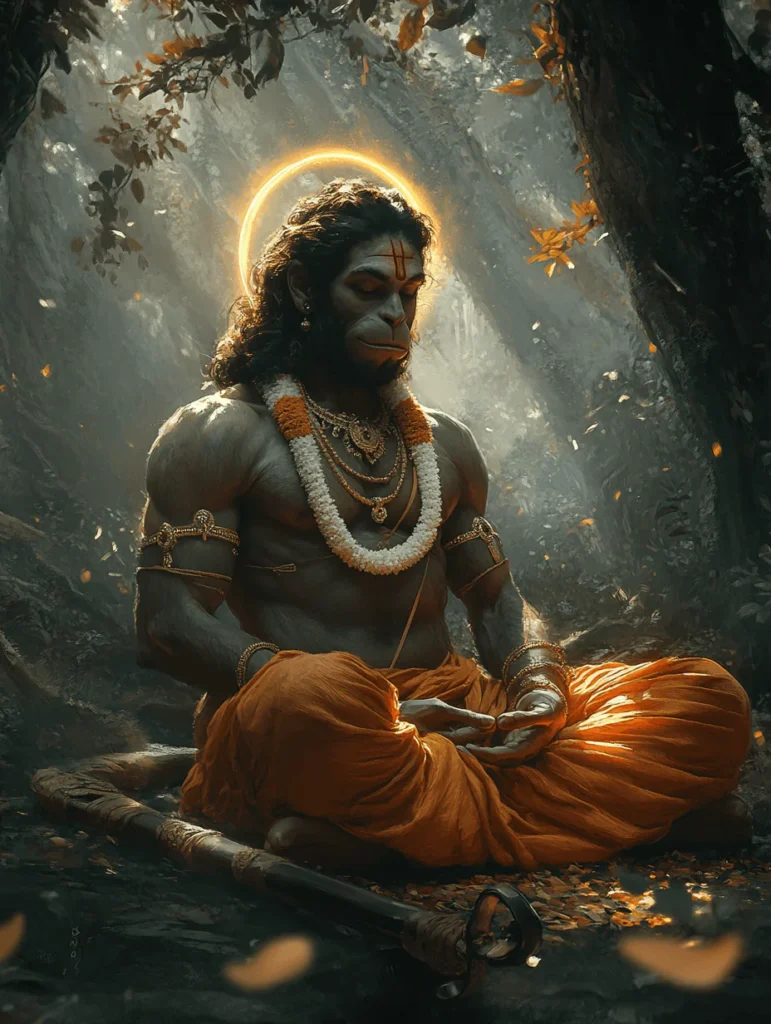
Lord Hanuman, the mighty deity of Hindu mythology, is revered for his immense strength, unwavering devotion, and selfless service to Lord Rama. As the epitome of loyalty and righteousness, he holds a sacred place in the hearts of millions.
Born to Anjana and Kesari, Hanuman’s life is woven with extraordinary tales. Even as a child, his divine powers were evident—one of the most famous stories tells of him mistaking the rising sun for a fruit and soaring toward it. This act led Indra, the king of gods, to strike him down with his thunderbolt. In response, his father, Kesari, pleaded with Vayu, the wind god, to withdraw his life force from the universe, causing turmoil until Indra revived the young Hanuman.
As a result, Hanuman was granted immortality, eternal youth, and invincibility—blessings that make him one of the Sapta Chiranjeevi (seven immortals) of Hindu mythology. To this day, he is believed to dwell among us, ever-present as a protector and guide.
His unwavering devotion to Lord Rama is legendary. Hanuman played a pivotal role in the Ramayana, aiding Rama in his quest to rescue Sita from the demon king Ravana. His countless heroic feats showcased his strength, intelligence, and deep wisdom, making him an enduring symbol of faith and courage.
Due to his eternal presence and divine protection, Hanuman is worshipped in countless homes, with his murtis (idols) serving as a source of strength, protection, and inspiration for his devotees. His immortal legacy continues to guide and uplift those who seek his blessings.
2. Ashwathama
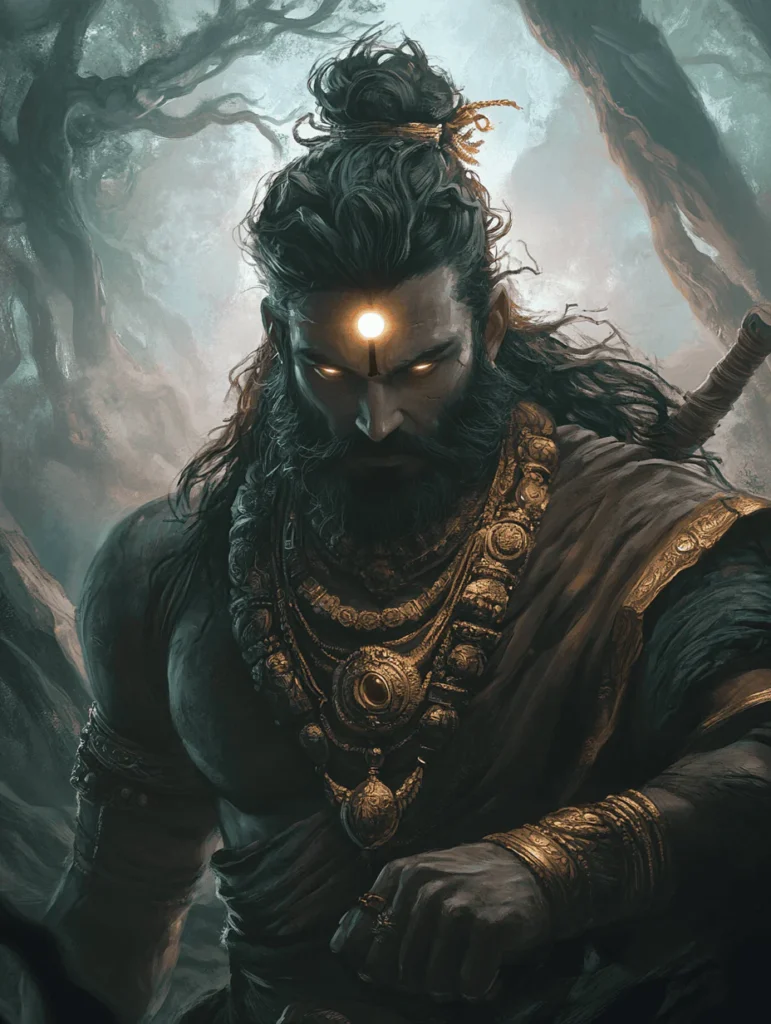
The Mahabharata remains one of the greatest epics ever written, filled with legendary figures like the mighty Arjuna, the generous Karna, the wise yet enigmatic Lord Krishna, and the fierce Draupadi. Among them stands Ashwathama, one of the most intriguing and controversial characters in history.
Ashwathama was the son of Dronacharya, the renowned warrior and teacher of both the Pandavas and Kauravas. His name translates to “the horse-voiced”, symbolizing either a powerful voice or the unyielding vigor of a horse. He was believed to possess divine abilities, thanks to the celestial gem placed on his forehead by Lord Shiva.
Fighting on behalf of the Kauravas in the Kurukshetra War, Ashwathama committed an act that cemented his tragic fate. In a desperate bid for revenge, he infiltrated the Pandava camp at midnight, defying the sacred code of war that forbade attacks after sunset. Mistakenly believing them to be the five Pandava brothers, he ruthlessly killed their sons instead.
When the Pandavas returned and discovered the massacre, they were enraged and sought justice. Realizing the gravity of his crime, Ashwathama pleaded for forgiveness, but it was too late. In self-defense, he invoked the Brahmashirastra, a divine and immensely destructive weapon. However, Arjuna, also a disciple of Dronacharya, countered it with his own.
Ashwathama’s fall from grace and the curse that followed him make his story one of the most haunting in the Mahabharata. His legend endures as a reminder of the consequences of unchecked vengeance and the inescapable weight of fate.
3. Parashurama
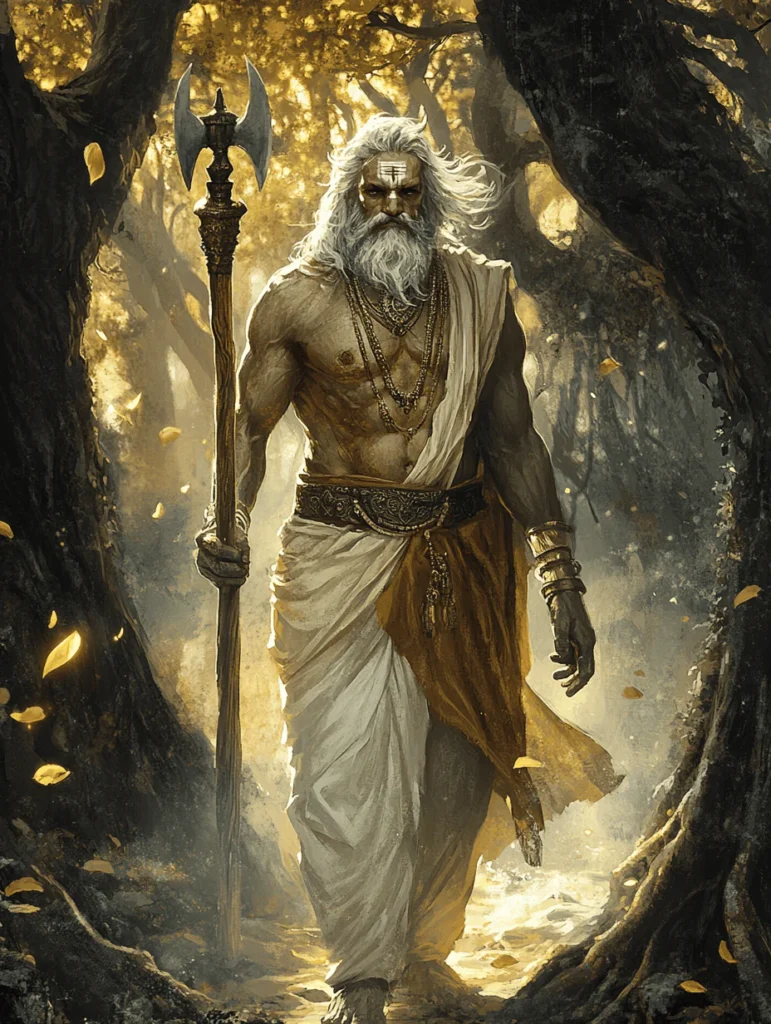
A name known and revered by many, Parashurama is one of the Sapta Chiranjeevi—the seven immortals who are believed to still walk the earth. As the sixth incarnation of Lord Vishnu, his legacy is deeply etched in Hindu mythology.
Born to Renuka and the great sage Jamadagni, Parashurama’s story is one of divine power, relentless justice, and unwavering discipline. After undergoing intense penance, he was blessed with a mighty axe (Parashu) by Lord Shiva, who also trained him in martial arts.
His legendary wrath was unleashed upon the Kshatriyas after his father was slain by the powerful king Kartavirya Arjuna. In a fierce act of vengeance, Parashurama wiped out the Kshatriya warriors twenty-one times over, establishing his reputation as a fearsome warrior.
Parashurama played a vital role in both the Ramayana and the Mahabharata. In the Mahabharata, he trained Bhishma, Karna, and Dronacharya, shaping some of the greatest warriors of that era. He also led the defense of Konkan, Malabar, and Kerala, preserving these lands from invaders.
Yet, his role in history is far from over. According to prophecy, Parashurama will return as the mentor of Kalki, the final avatar of Vishnu, at the end of the current age (Kaliyuga). He will guide Kalki in acquiring celestial weapons and divine wisdom, aiding in the restoration of Dharma and the salvation of humanity.
A timeless figure of power, knowledge, and discipline, Parashurama remains an immortal warrior, destined to shape the fate of the world once more.
4. Mahabali
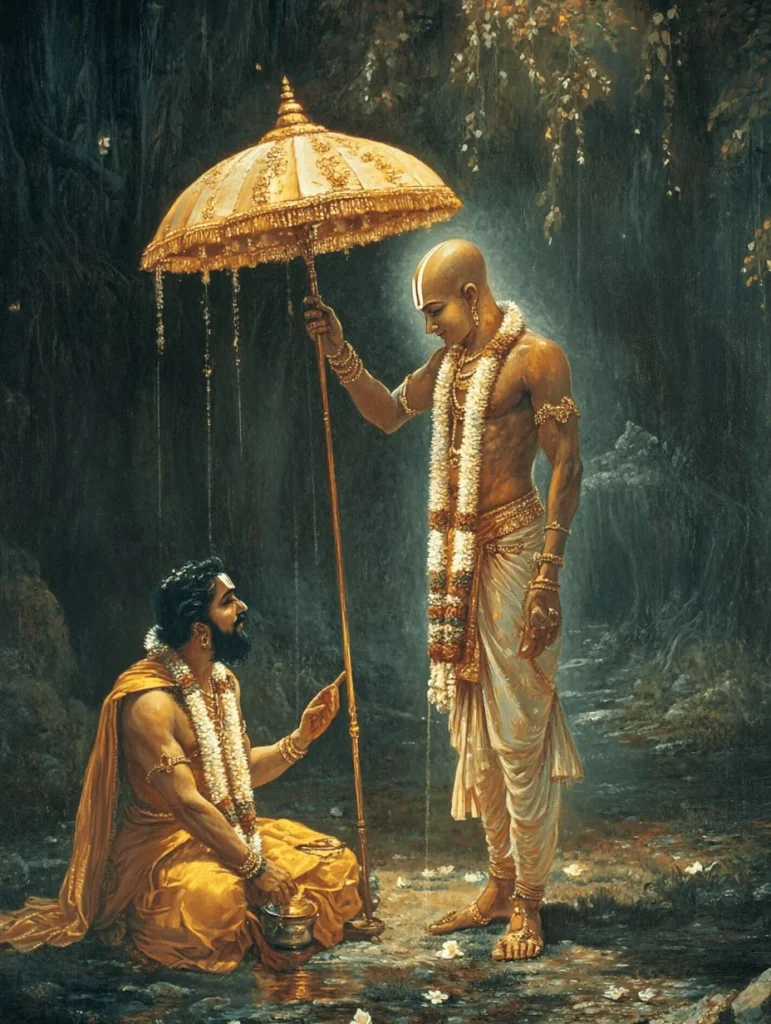
Mahabali: The Benevolent Asura King
Mahabali, also known as Bali, was the son of Devamba and Virochana, and he ruled over the mighty Daitya kingdom, which encompassed present-day Kerala.
Raised by his grandfather, Prahlada, a devout follower of Lord Vishnu, Mahabali was instilled with virtues of righteousness, wisdom, and devotion from an early age. As a just and compassionate ruler, he earned the love and respect of his people, guiding his kingdom toward prosperity and harmony.
Succeeding Prahlada as the king of the Asuras, Mahabali ushered in an era of peace and growth. His influence extended far beyond his own land, and through his strength and leadership, he conquered the entire earth, bringing it under his rule. Eventually, his power grew so vast that he defeated Indra and the Devas, taking control of heaven and the netherworld.
Alarmed by Bali’s dominance, the Devas turned to Lord Vishnu, pleading for his intervention to restore their lost realm. What followed was a divine test of Mahabali’s devotion and humility, shaping one of the most revered legends in Hindu mythology.
5. Veda Vyasa
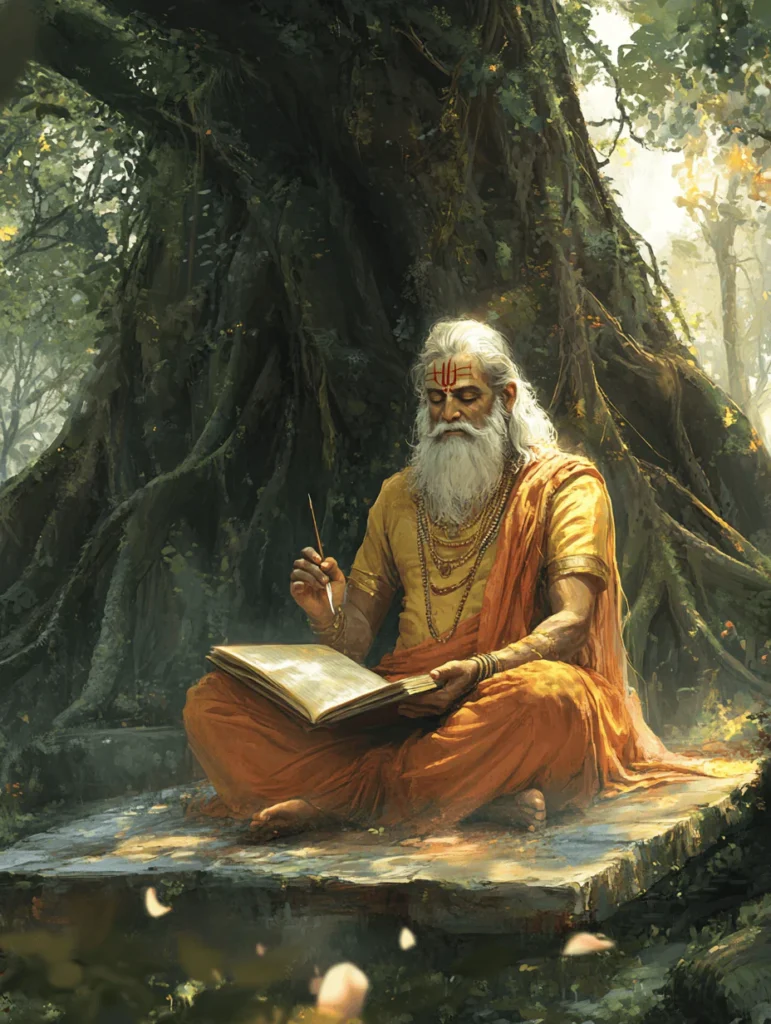
Veda Vyasa: The Eternal Sage and Architect of Hindu Scriptures
Revered by Hindus across generations, Veda Vyasa, originally named Krishna Dvaipayana, is one of the Sapta Chiranjeevis, believed to live through this Manvantara or Kali Yuga. Born in the late Treta Yuga, he witnessed the events of the Dvapara Yuga and continues to be a guiding force in the present age.
Vyasa is credited with composing the Mahabharata—one of the greatest epics in history—as well as the eighteen Puranas and the Upanishads, shaping the very foundation of Hindu philosophy and literature.
Choosing the path of an ascetic, Vyasa left his mother, Satyavati, but vowed to return whenever she needed him. As destiny unfolded, Satyavati later married King Shantanu, and they had two sons. However, after the untimely deaths of both Shantanu and his sons, the kingdom was left without an heir.
With no successor to the throne and rival monarchs threatening the kingdom’s stability, Satyavati sought Vyasa’s help. Honoring his promise, he agreed to father children with the widows of her deceased sons. From these unions, three sons were born, ensuring the continuity of the dynasty before Vyasa returned to his ascetic life.
Vyasa’s most legendary collaboration was with Lord Ganesha, whom he asked to transcribe the Mahabharata. Ganesha agreed on one condition—that Vyasa would narrate the epic without pausing. In turn, Vyasa set his own challenge—Ganesha had to fully comprehend each verse before writing it down. Thus, the great epic was composed, along with the Upanishads and Puranas, solidifying Vyasa’s legacy as the eternal sage and the architect of Hindu wisdom.
6. Vibhishana
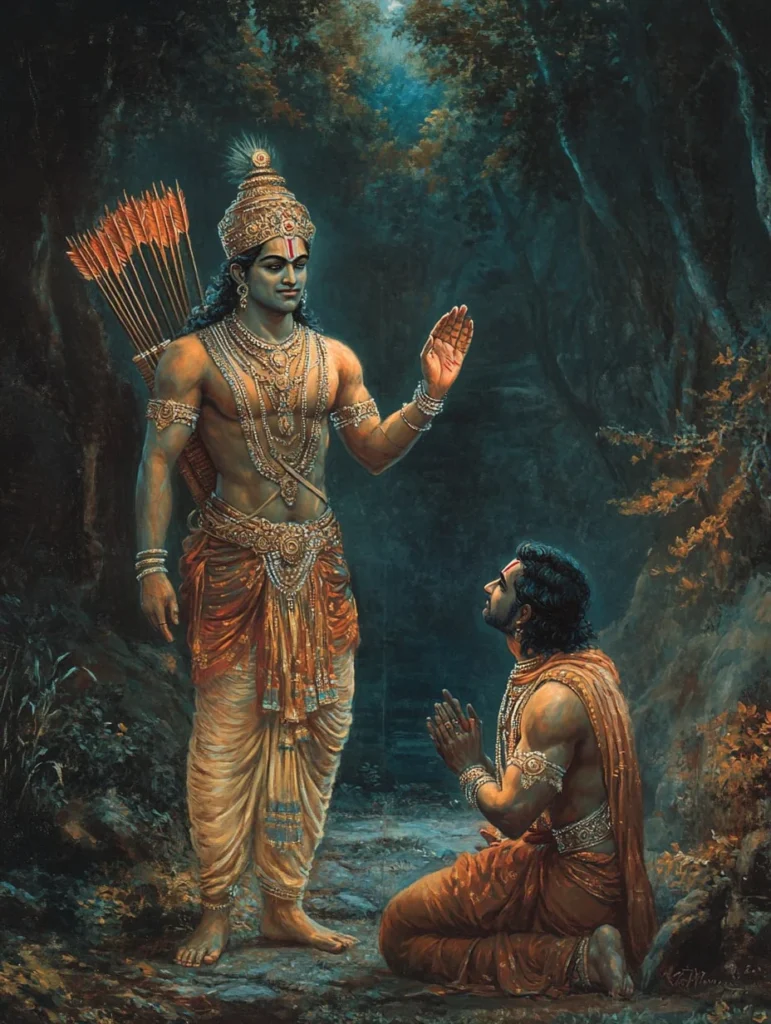
Vibhishana: The Righteous Rakshasa and King of Lanka
Vibhishana, the younger son of Sage Vishrava and grandson of Sage Pulastya—one of the Heavenly Guardians—was the noble brother of Ravana and Kumbhakarna. Despite being born into the Rakshasa clan, Vibhishana was deeply spiritual, embracing the path of dharma and considering himself a Brahmin due to his father’s profound reverence for righteousness.
Unlike his tyrannical brother, Ravana, Vibhishana possessed a kind heart and unwavering sense of morality. When Ravana abducted Sita, Vibhishana urged him to return her to Lord Rama, warning him of the dire consequences of his actions. However, when his advice was ignored, Vibhishana chose to stand for truth and joined Rama’s army, pledging his loyalty to the path of righteousness.
Following Rama’s victory over Ravana, Vibhishana was crowned as the King of Lanka, ruling with wisdom and fairness. In Sri Lankan tradition, he was once worshipped as one of the Four Heavenly Kings (Satara Waram Deviyo), symbolizing justice and protection.
From a young age, Vibhishana was deeply devoted to Lord Vishnu, constantly chanting his name. His unwavering faith and pure heart earned him the favor of Lord Brahma, who granted him a divine boon, ensuring his legacy as an immortal guardian of dharma.
7. Krupacharya

The Birth of Kripa: A Tale of Destiny and Divine Intervention
Kripa’s father, Shardwan, was born with an extraordinary gift—he emerged into the world already equipped with a quiver full of arrows, a sign of his unparalleled skill in archery. As he honed his abilities, he mastered every aspect of warfare, becoming an invincible warrior feared even by the celestial beings.
His growing power deeply concerned the gods, especially Indra, the king of the heavens, who saw Shardwan as a threat. To disrupt his ascetic focus, Indra sent a beautiful Apsara, Janapadi, to tempt him and break his vow of celibacy.
As the enchanting nymph approached him, using all her celestial allure to distract him, Shardwan momentarily lost his concentration. Though he resisted temptation, the sheer intensity of the moment caused him to falter, and his bow and arrows slipped from his grasp.
In that instant, his life force manifested as energy, which fell upon a patch of roadside grass. Miraculously, from this divine occurrence, twins—a boy and a girl—were born. Overcome with realization, Shardwan chose to renounce worldly life, abandoning his weapons and retreating into the wilderness to pursue penance.
These twins would later be discovered and adopted by King Shantanu, with the boy growing up to become Kripa, the immortal warrior and revered teacher of the Kuru dynasty.